15/07/2026 We’ll Fix It Before Post No.1: The Interview
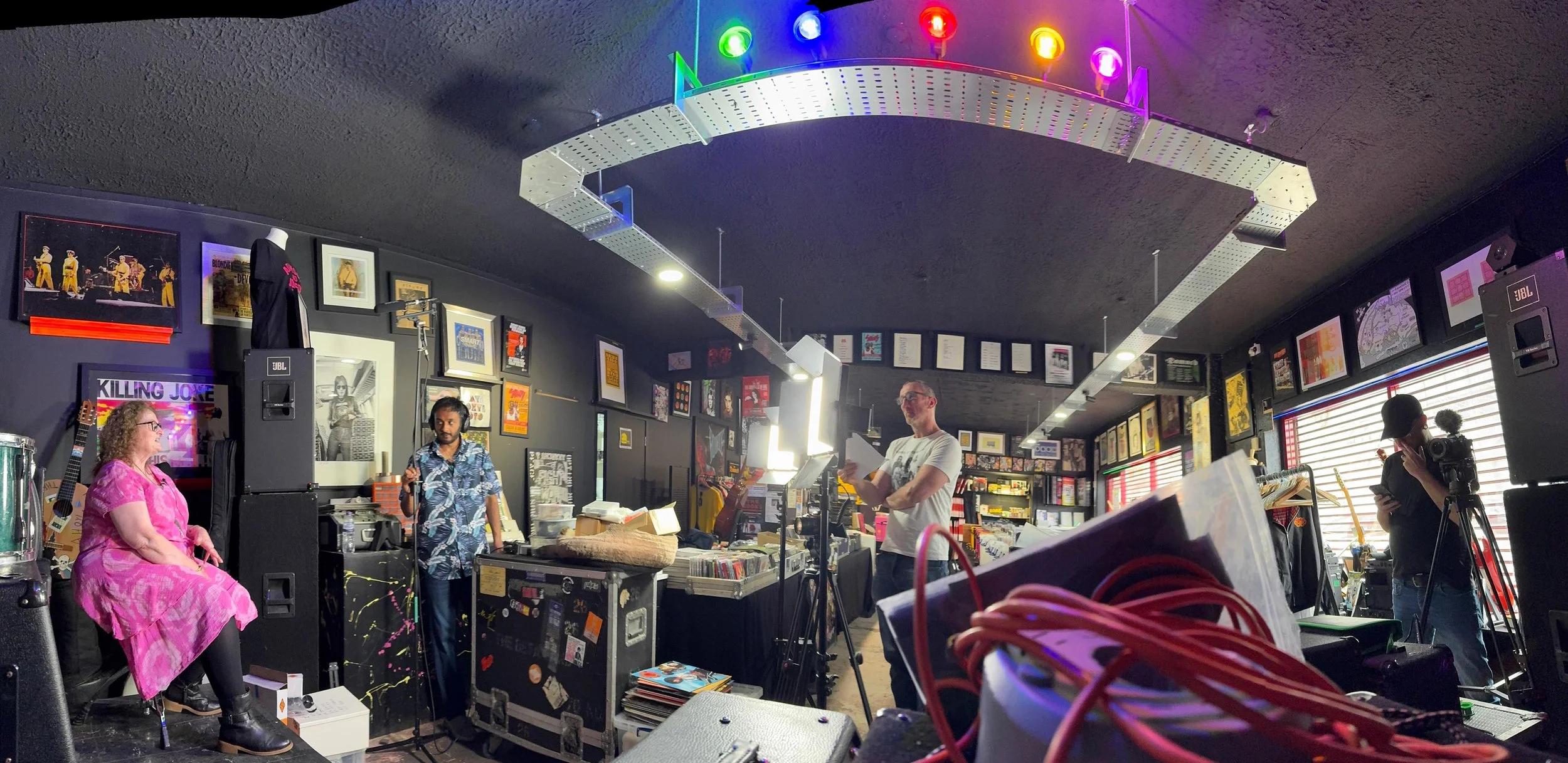
Recently, I had the privilege of editing some video interviews for a company. As I began to assemble the footage, I came across a few issues that I realised were common with the interview process, and could potentially give video editors palpitations.
To be fair, we’re not all trained in interview techniques, and even those that are frequently come across problems that are unique. A documentary course during my film production degree did give some tips. After putting them into practice in the interview environment, I now believe that those golden nuggets of advice should stop anyone editing an interview for content or non-fiction productions risking an early death:
Preparation is key.
Have a list of questions prepared (obviously) but do not give them to the contributor in advance, as there is a chance they will rehearse lines and the interview will feel staged.
Instead, brief them on the topics that will be discussed, and ask the contributor to think about those particular topics for this interview. This will help the interview and recording feel more natural.Help the contributor relax.
Okay, I’m a fairly chatty person who is used to the filming environment (having been interviewed myself on my experiences as a queer stammering comic), but I forget that not everyone wants to be in the limelight.
When interviews began for my forthcoming documentary, my contributor at first went off at a million miles an hour, telling me the full story from beginning to end. As I tried to get a word in, I realised she was utterly nervous. When I finally got a chance to ask if she was okay, the contributor confessed she had barely slept the previous few nights from worrying about the shoot! I had forgotten that for some people, having two cameras in their face plus a crew staring at them in stone-cold silence might be more than a little unnerving.
To be fair, I had prepared a silly warm-up, including my favourite ice-breaker question*, and involved the crew as well in the opening conversation and brief, in order to create a relaxed environment and relieve some of the tension.
I’d fully briefed the contributor, and made sure she was introduced to the crew, explaining that they may not react because they are monitoring the equipment. I had allocated enough time to the interview so that breaks could be taken. On reflection, it may have been best to hold a trial (not always possible for those filming on a microbudget or tight schedule) and also check in with the contributor to ask if there was anything that could be done to help them relax in the interview process.I’m pleased to say that as the interview continued, the contributor did manage to settle in and tell a fantastic story!DO NOT - and I cannot stress this enough - MAKE CONFIRMATION NOISES!
Two recent editing assignments showed the interviewer make ‘mm’ and ‘yes’ noises throughout the interview. Those noises do not only cause problems with editing (thank god for B-roll - look out for my upcoming article on that) but also are jarring for the viewer.
The hair that I pulled out during my last bout of editing has only started to grow back.In real life, it can be difficult when talking someone to not make those noises, as we are all ingrained to react this way in conversation - it’s part of being human.
In interviews, it is worth explaining to the contributor beforehand that you cannot make noise during the interviews, and you will be smiling and nodding to show that you are listening.
If you feel you are at risk of unconsciously doing this, practice with someone or ask a crew member to give you a nudge if you do this. When I explained to contributors that I would be sitting nodding and smiling, and not making any noise, they all have been understanding of this need.
I’ve also explained it’s best to leave a gap after the questions, and not immediately rush into the next, so they are not unnerved by uncomfortable silences.If you are appearing off-camera, ask the contributor to repeat the question.
Showing a scene of this in the final product can add a nice touch in the finished product, although the feedback from one of my films - My First Punk Gig (Derek’s Tale) - was that I had actually used this technique too much! Used sparingly, the repeated question can help keep the viewer engaged - particularly if they are seen pondering on the answer - and also give the contributor an understanding of the context of the question.
I had forgotten to do this with my last documentary, and actually, this would have perhaps helped my contributor relax more by focusing on the question topic, as well as giving a more structured editing process in post - after the interview, I realised my contributor had in fact been jumping forwards and backwards a lot while discussing topics.A golden tip from a lecturer that I still use: do not switch off the camera when you say ‘that’s us finished’ or calling cut.
Sometimes the contributor will relax and then suddenly come out with some piece of information that can be used. During a documentary I made about queer comics, I stopped the camera operator from switching the camera off just as a contributor revealed a startling fact. Mr Mackie - if you are reading this, thank you!Offer the chance to go over anything or repeat anything.
Sometimes, a contributor can come out with a stronger point or story, or a better summary, once they have warmed up, or they will remember key points. Just as in a job interview, a person will feel happier and more relaxed if they know this option. Please leave time for them to reflect on anything and to revisit any questions.
That’s my tips - but what about yours? Are there any more? Please feel free to get in touch, and if you would like to discuss documentary filmmaking or editing interviews, you know how to get me.
*Favourite ice-breaker question: ”as a child, what did you do to wind up your parents or siblings?” I used to draw a moustache on my mother’s calendar of the Queen.
Next month: The Interview Venue